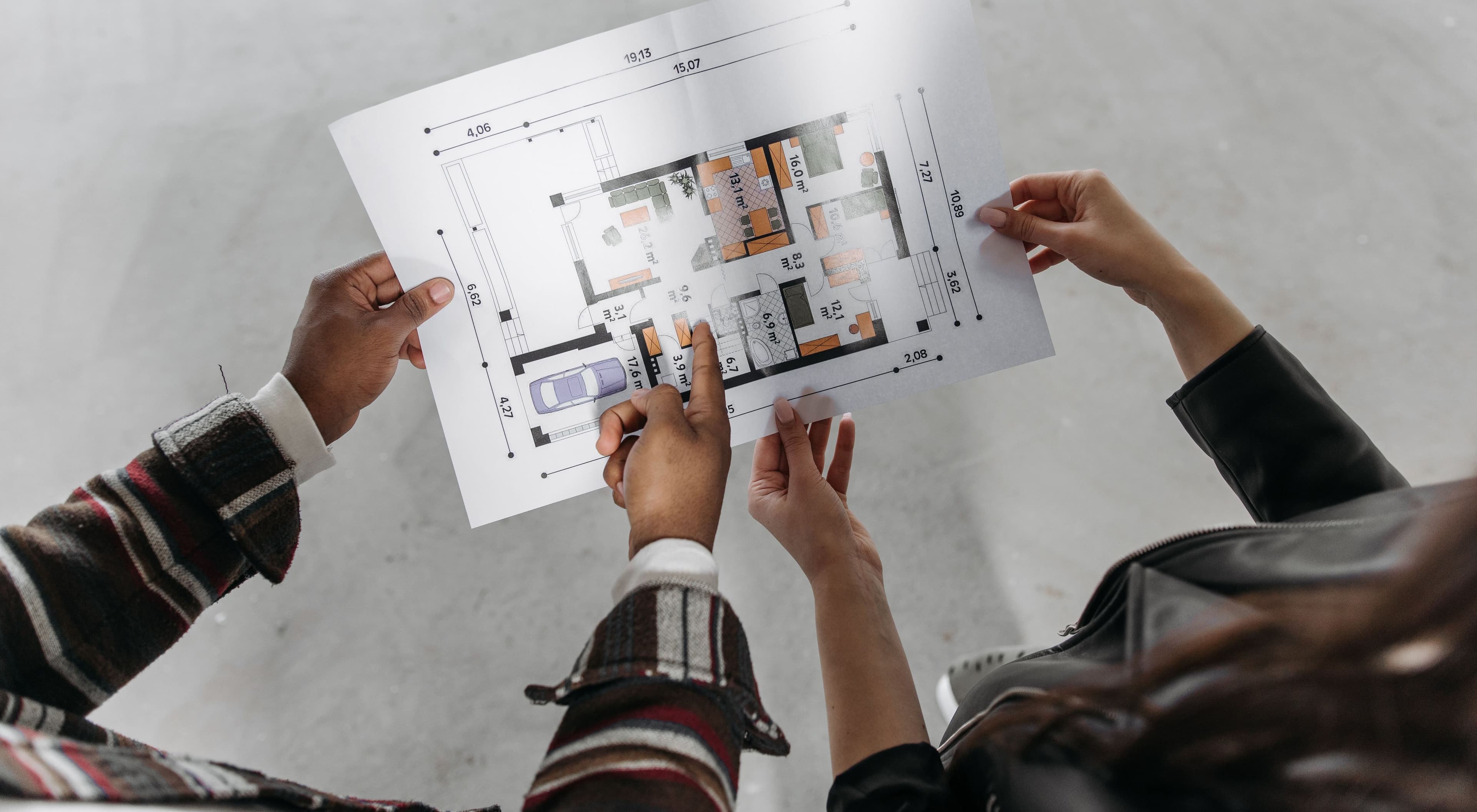
Walk through any new development in Kilimani, Ruaka, or Kiambu Road and you'll see the pitch everywhere: buy off-plan, pay less, watch the value grow before you've even moved in. It's a genuinely compelling offer. It's also, for a meaningful share of Kenyan buyers, a source of real financial pain.
Off-plan and ready-to-move properties aren't just two ways to buy the same thing. They're two different risk profiles wearing similar marketing brochures. Here's how to actually think through the choice.
What "Off-Plan" Really Means
An off-plan property is one sold before construction is complete sometimes before it's even started. You're buying a promise, backed by architectural drawings and a payment plan, not a finished building. Off-plan buying has become one of the most popular ways to enter Kenya's property market, particularly across Nairobi and fast-growing satellite towns, precisely because the entry price is lower than buying something already built.
Ready-to-move properties are the opposite. What you see is what you get. No waiting, no construction risk, no trusting a developer to deliver on a promise made two or three years earlier.
The Real Appeal of Buying Off-Plan
The case for off-plan isn't just marketing spin. There are genuine advantages.
The entry price is meaningfully lower. Developers commonly offer early-bird discounts of 10% to 30% below expected completion value, rewarding buyers willing to commit before construction finishes.
Payment plans are flexible. Instead of a lump sum, most off-plan purchases are structured around milestone payments tied to construction progress, which spreads the financial burden over months or years rather than requiring full payment upfront.
There's real appreciation potential. Conservative buyers should model something like 8% to 20% upside between purchase and completion, rather than the more extreme projections some agents like to quote. That's still a meaningful gain if the project delivers on time.
The operative phrase there is "if it delivers."
The Risks That Actually Bite
This is where off-plan buying in Kenya has burned a lot of people and it's worth being specific about how.
Construction delays are common, not exceptional. Regional data on East African off-plan markets suggests 60% to 70% of projects experience some delay, typically running six months to two years beyond the promised completion date. A "completion in 2028" that becomes 2030 isn't a rare horror story it's closer to the norm than buyers expect.
Developer insolvency is the worst-case scenario and it happens. If a developer runs into financial trouble mid-project, buyers risk losing their deposit and every installment paid, often with limited legal recourse to recover the money. Some smaller, undercapitalised developers effectively run on new deposits from one project to fund construction on another — a structure that works fine until it doesn't, at which point it collapses for everyone still owed a unit.
Contracts often protect the developer more than the buyer. Force majeure clauses can be broad enough to excuse almost any delay, leaving buyers with a contract that reads well but offers little actual protection when a project stalls.
Quality can fall short of what was marketed. Showroom units and marketing brochures don't always match what gets delivered. Without detailed specifications written directly into the sale agreement, buyers have little standing to demand the finishes they were shown.
Financing an off-plan purchase is harder than financing a completed one. Banks are generally more cautious about lending against a property that doesn't exist yet, which can complicate mortgage approval for buyers who assumed financing would be straightforward.
Why Ready-to-Move Isn't Automatically the Safer Choice
Ready-to-move properties remove construction risk entirely, but they're not risk-free, and they're not always the better financial decision.
You're paying full market price today, with no early-bird discount and no appreciation window before you take possession. If you're financing through a mortgage, you start repayments and generating rental income (if that's the plan) immediately which some buyers actually prefer, since it means the property starts working for you from day one rather than sitting as a construction-phase liability.
Due diligence still matters here too. A completed building can still carry title disputes, unpaid rates, or structural issues that a fresh coat of paint conveniently hides. "Finished" doesn't mean "risk-free." It means a different category of risk.
How to Actually Reduce Off-Plan Risk, If You Go That Route
If the discount and payment flexibility genuinely outweigh the risk for your situation, there are concrete steps that meaningfully improve your odds.
Verify the developer's track record before anything else. Has this developer completed previous projects on time? Are those buildings actually occupied, or half-finished and abandoned? Site visits to a developer's past work tell you more than any brochure.
Confirm the land's legal story. This isn't optional. Check the title, confirm ownership is clean, and verify the developer has secured the necessary approvals before major construction projects proceeding without full approvals risk being halted by authorities entirely, leaving buyers holding a stalled investment.
Check whether the project uses an escrow account. Escrow arrangements, where buyer payments are held by a third party and released to the developer only as construction milestones are verified, are a meaningful safeguard against a developer using your deposit for something other than your unit.
Get the details in writing, not verbally. Clearly defined completion milestones, written penalties for unreasonable delays, and exact specifications for finishes all belong in the contract itself not in a conversation with a sales agent that's impossible to prove later.
Visit the actual site, not just the sales office. Is there visible activity? Workers on-site? Materials being delivered? Or does the plot look dormant despite an active sales campaign? This is one of the simplest checks available, and one of the most frequently skipped.
Which Should You Actually Choose?
There's no universal answer, but there is a useful way to frame the decision.
Choose off-plan if you have a genuine appetite for construction-phase risk, you're buying from a developer with a verifiable track record of on-time delivery, the project uses escrow protections, and the discount meaningfully outweighs the risk of delay for your specific timeline and financing situation.
Choose ready-to-move if you need certainty a firm move-in date, immediate rental income, or straightforward mortgage financing or if you don't have the time or expertise to properly vet a developer's financial standing and legal compliance before committing your deposit.
The Bottom Line
Off-plan property in Kenya isn't a scam, and plenty of buyers complete these purchases successfully every year. But it is a bet on a developer's execution, financial stability, and honesty three things a glossy brochure cannot verify for you. Ready-to-move property costs more upfront, but it removes that bet entirely.
The safer choice depends less on which category you pick and more on how seriously you do your homework before you pick it. A well-vetted off-plan purchase from a reputable developer can outperform a poorly-vetted ready property with hidden title issues. The discount isn't free it's the price of risk. Make sure you're actually being compensated enough for taking it on.


